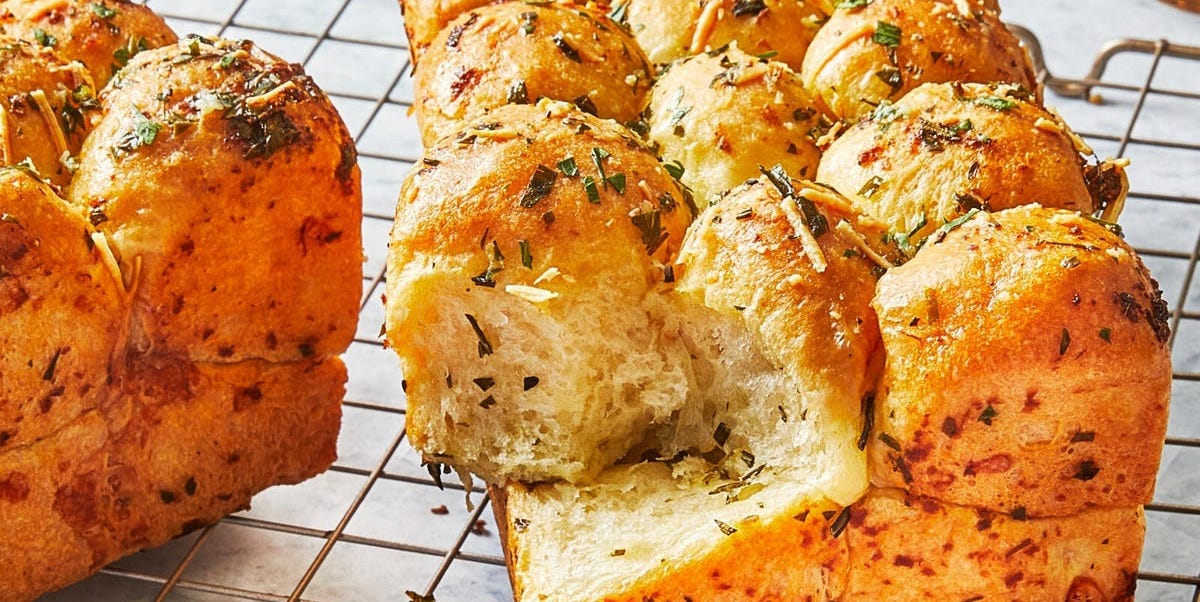
Unlock the Irresistible World of Garlic Bread: A Star Among Garlic Recipes
Few aromas evoke warmth and comfort quite like the tantalizing scent of garlic bread baking to golden perfection. More than just a simple side, garlic bread is a culinary staple, a testament to the power of fresh garlic, and a cherished entry in the vast collection of beloved
garlic recipes - Article 1. Whether you're a seasoned home cook or a novice in the kitchen, mastering the art of garlic bread offers immense satisfaction and a delicious reward. This comprehensive guide will walk you through everything you need to know to create the ultimate garlic bread, transforming a humble loaf into a masterpiece of crispy crust and buttery, garlicky indulgence.
The Rich History: From Bruschetta to Buttered Bliss
The origins of garlic bread, as we know it today, are deeply rooted in culinary innovation and cultural adaptation. While many associate it with Italian-American cuisine, its lineage can be traced back to Italy's traditional bruschetta. Bruschetta, a simple dish of toasted bread rubbed with raw garlic and drizzled with olive oil, was a resourceful way to use stale bread and highlight the fresh flavors of the Mediterranean.
When Italian immigrants arrived in America, they brought their culinary traditions with them. However, olive oil, a cornerstone of Italian cooking, was not as readily available or affordable in America at the time. Resourceful cooks began to substitute butter for olive oil, leading to the creation of what we now recognize as garlic bread. This ingenious adaptation resulted in a richer, more decadent version, perfectly suited to American tastes and available ingredients. Today, garlic bread remains a versatile dish that can be made with butter, olive oil, or a delightful combination of both, allowing for a spectrum of flavors and textures. The flexibility of this dish showcases why it remains one of the most popular
garlic recipes - Article 3 globally.
Crafting Perfection: Selecting Your Loaf and Mastering the Garlic Butter
The foundation of exceptional garlic bread begins with choosing the right bread. While personal preference plays a role, certain types truly excel:
*
Crusty Breads: Opt for a loaf with a sturdy, thick crust and a soft interior. Ciabatta and baguettes are perennial favorites for a reason.
*
Ciabatta: This Italian slipper bread is an excellent choice due to its open, airy texture and substantial crust. It can be cut horizontally, providing a broad, soft surface to generously apply the garlic butter, while its crusty exterior ensures a delightful crunch.
*
Baguette: A classic French baguette offers a similar advantage, providing an ideal ratio of crust to soft interior. Its long, slender shape makes it perfect for individual slices.
*
Other Options: Don't limit yourself! Sourdough, French bread, or even thicker slices of a country loaf can be fantastic choices, each imparting its own unique character to the finished product.
Once you have your bread, the heart of any good garlic bread lies in its namesake: the garlic butter. This is where quality ingredients and proper technique truly shine.
*
Fresh Garlic is Non-Negotiable: For the best flavor, always use freshly crushed garlic cloves. Convenient jars of pre-minced garlic or purees often lack the vibrant, pungent kick and nuanced flavor of fresh garlic. Take the time to mince or crush your cloves – your taste buds will thank you.
*
Butter vs. Olive Oil: As mentioned, you can use unsalted butter, high-quality extra virgin olive oil, or a mixture. Butter provides richness and browning, while olive oil adds a distinct fruity note and a lighter texture. A 50/50 blend often strikes a perfect balance.
*
The Garlic Kick: For those who truly love garlic, consider adding a pinch of garlic powder to your fresh garlic butter mixture. It amplifies the garlic flavor without adding extra moisture, delivering an "extra garlicky kick" that garlic aficionados adore.
To prepare the garlic butter, simply soften unsalted butter (don't melt it completely) and mix in your freshly crushed garlic. If using olive oil, whisk it in until well combined. This simple yet profound mixture is the backbone of truly amazing garlic bread and many other simple yet impactful
garlic recipes - Article 1.
Elevating Your Loaf: Beyond the Basic Butter
While classic garlic bread is sublime, there are countless ways to customize and enhance it, transforming it from a simple side to an extraordinary culinary experience.
Cheese: The Ultimate Indulgence
Adding cheese is a surefire way to take your garlic bread to the next level. After spreading your garlic butter, sprinkle generously with your favorite cheese:
*
Parmesan: Grated Parmesan adds a sharp, salty, umami depth that pairs beautifully with garlic.
*
Mozzarella: Shredded mozzarella melts into gooey, stretchy perfection, creating a comforting and satisfying texture.
*
Goat's Cheese: For a sophisticated twist, crumble some goat's cheese over the bread. Its tangy, creamy flavor offers a wonderful contrast to the garlic.
*
Cheese Blends: Don't hesitate to experiment with a blend of cheeses for a more complex flavor profile.
Herbs and Flavor Boosters: A Symphony of Taste
Fresh herbs and other concentrated flavors can dramatically elevate your garlic bread.
*
Classic Parsley: Chopped fresh parsley is the traditional addition, lending a bright, fresh note and a pop of color.
*
Beyond Parsley: Feel free to experiment with other fresh herbs. Oregano offers an earthy, peppery taste; thyme provides a delicate, woody aroma; and tarragon delivers a subtle licorice-like essence. A mixture of any of these can create a complex and inviting flavor.
*
Dried Herbs: If fresh herbs aren't available, dried oregano or dried mixed Italian herbs are excellent substitutes, providing a concentrated herbaceousness.
*
Pesto Power: Stirring a spoonful of pesto into your garlic butter mixture introduces a vibrant basil and pine nut flavor, adding another layer of complexity.
*
Sun-Dried Tomato Puree: For an intensely savory and slightly sweet "tomatoey hit," blend a tablespoon of sun-dried tomato puree into your garlic butter. It adds depth and a beautiful reddish hue.
*
Wild Garlic: Foraging enthusiasts can elevate their garlic butter using fresh wild garlic leaves. These tender leaves offer a milder yet distinct garlic flavor, along with a beautiful green color.
Cooking Methods: Achieve the Perfect Crisp
How you cook your garlic bread can significantly impact its texture and flavor:
*
Oven Baking: This is the most common method. Ensure your oven is preheated to around 160°C (325°F). Loosely cover the bread with foil and bake on a baking tray for 30-35 minutes, or about 15 minutes if defrosted first, until warmed through and the crust is crisp. For extra browning, remove the foil for the last few minutes.
*
Grilling/BBQ: For a smoky, slightly charred flavor, grill your garlic bread over a BBQ or on a griddle pan. This method creates a fantastic crunch and adds another dimension of taste, making it ideal for summer cookouts.
*
Broiling: If you want a quick, extra-crispy top, especially with cheese, a few minutes under the broiler can work wonders. Watch it closely to prevent burning!
Serving Suggestions and Smart Storage
Garlic bread is incredibly versatile and pairs wonderfully with a myriad of dishes, making it a star in the pantheon of easy
garlic recipes - Article 3.
*
Pasta's Best Friend: It’s the quintessential partner to saucy pasta dishes. Think classic spaghetti bolognese, rich lasagna, creamy macaroni cheese, or any hearty Italian meal. The crusty bread is perfect for soaking up every last drop of delicious sauce.
*
Soup Dipper: There's nothing quite like dunking a warm, garlicky slice into a comforting bowl of soup. Whether it's a creamy tomato soup, a robust minestrone, or a simple vegetable broth, garlic bread adds a satisfying crunch and flavor boost.
*
Pizza's Companion: Serving garlic bread alongside your homemade or store-bought pizza adds an extra layer of indulgence and ensures everyone gets their fill of deliciousness.
*
As an Appetizer: Cut into smaller pieces, garlic bread can also serve as a fantastic appetizer on its own, especially when loaded with cheese and herbs.
Storage Tips to Savor Later
One of the great things about garlic bread is that it can be prepared in advance and stored for later enjoyment.
*
Garlic Butter: The garlic butter mixture itself can be made ahead. Store it tightly covered in the fridge for up to 1 week or freeze for up to 3 months. This is a brilliant time-saver for busy weeknights.
*
Prepared Garlic Bread: If you've already spread the garlic butter on your bread, wrap it tightly in cling film. It will keep in the fridge for 1 day.
*
Freezing Garlic Bread: For longer storage, wrap the prepared (unbaked) garlic bread tightly in foil and store in the freezer for up to 1 month. When ready to bake, place the foil-wrapped bread directly on a baking tray in a preheated oven (160°C/325°F) for 30-35 minutes, until warmed through and golden. If you have time to defrost it first, it will only take about 15 minutes to become deliciously warm and crusty.
Conclusion
From its humble beginnings as a way to repurpose stale bread to its current status as a beloved comfort food, garlic bread remains a shining example of how simple ingredients can create extraordinary flavor. It’s a testament to the versatility of garlic and a beloved member of the broad category of
garlic recipes - Article 1. By focusing on fresh ingredients, experimenting with different breads, cheeses, and herbs, and utilizing smart cooking and storage techniques, you can consistently produce a garlic bread that delights the senses and complements any meal. So, preheat your oven, crush that garlic, and prepare to embark on a delicious journey into the heart of one of the world's most cherished garlic recipes.